
Modern computing infrastructure is evolving rapidly, and with this evolution comes a growing demand for advanced thermal management solutions. As computing workloads become more powerful and compact, managing heat efficiently is no longer optional; it is essential. One of the most important innovations supporting this shift is the coolant distribution unit, commonly referred to as CDUs in modern engineering environments. This article explores the key benefits of using a coolant distribution unit in modern thermal systems and why it has become a core component in advanced infrastructure design.
Table of Contents
- Understanding the Role of CDUs in Modern Cooling Infrastructure
- How a Coolant Distribution Unit Enhances Thermal Efficiency
- Why CDUs Are Essential in Data Center Design?
- Key Benefits of Using CDUs in Thermal Systems
- The Role of CDUs in Modern Liquid Cooling Systems
- Engineering Considerations in CDU Design
- Industry Adoption and Practical Applications
- Operational Advantages of Cooling Distribution Units
- FAQs
- What is the main purpose of a coolant distribution unit in modern cooling systems?
- How do CDUs improve performance in data center environments?
- Why are CDUs important for liquid cooling infrastructure?
- Can cooling distribution units support future data center expansion?
- What makes a data center CDU different from traditional cooling methods?
- FAQs
- Conclusion
Understanding the Role of CDUs in Modern Cooling Infrastructure
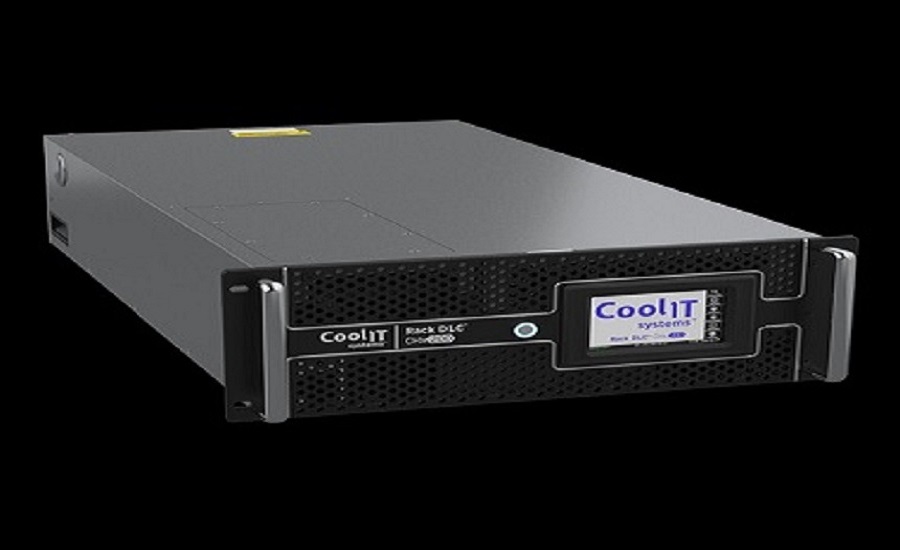
A coolant distribution unit is a critical part of liquid-based thermal management systems. It acts as the interface between facility water systems and sensitive electronic cooling loops. In simple terms, it ensures that heat is effectively transferred away from computing hardware and safely dissipated through external systems.
In modern data centers, CDUs are widely used to support high-density computing environments where traditional air cooling is no longer sufficient. These systems are designed to regulate flow, pressure, and temperature within a controlled loop, ensuring operational stability even under heavy workloads. The importance of CDUs continues to grow as organizations shift toward more powerful computing architectures.
How a Coolant Distribution Unit Enhances Thermal Efficiency
One of the primary benefits of a cooling distribution unit is its ability to significantly improve thermal efficiency. Unlike conventional air-based systems, liquid cooling allows heat to be absorbed and transported more effectively.
A modern coolant distribution unit ensures that this process is controlled and optimized. By regulating coolant flow and maintaining consistent temperature levels, it prevents overheating and improves overall system stability. This is particularly important in environments where performance cannot be compromised, such as AI training clusters and high-performance computing environments.
Why CDUs Are Essential in Data Center Design?
Modern infrastructure requires precision cooling solutions, and data center CDU systems have become a standard part of this evolution. As computing density increases, traditional cooling systems struggle to maintain consistent temperature control.
CDUs provide a scalable solution that supports growing infrastructure demands. They allow data center equipments to implement liquid cooling strategies without completely redesigning existing facilities. In addition, CDU units help reduce energy consumption by optimizing heat transfer processes, thereby improving operational efficiency and lowering long-term costs.
Key Benefits of Using CDUs in Thermal Systems
Improved Heat Transfer Performance
A coolant distribution unit ensures that heat is quickly removed from critical components. This leads to better system performance and reduces the risk of thermal throttling. In data-intensive environments such as cloud computing facilities, AI clusters, and high-performance computing systems, thermal stability directly impacts performance and reliability.
Enhanced System Reliability
Stable temperature control is essential for maintaining hardware reliability. CDUs help maintain consistent cooling conditions, which extend the lifespan of servers and computing equipment.
Better Energy Optimization
One of the major advantages of using a cooling distribution unit is reduced energy consumption. By improving cooling efficiency, less energy is required to maintain optimal system temperatures.
Scalability for High-Density Environments
As computing demands grow, infrastructure must scale accordingly. CDUs allow organizations to expand their cooling capacity without significant redesigns of existing systems. This is where CDU units play a critical role, ensuring that heat generated by servers and processors is efficiently dissipated away from sensitive components.
The Role of CDUs in Modern Liquid Cooling Systems
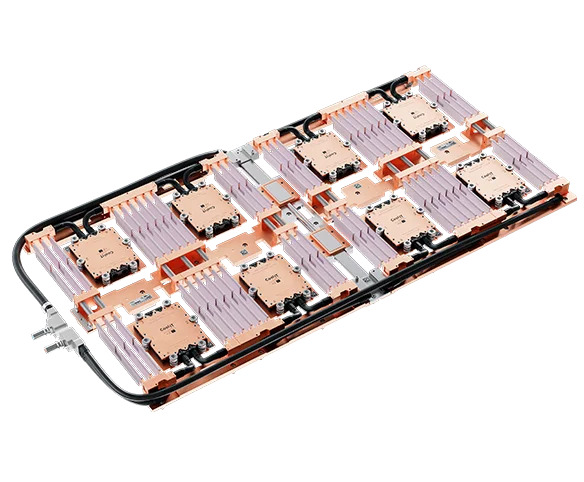
Liquid cooling has become a preferred method for managing heat in advanced computing environments. Within these systems, the coolant distribution unit plays a central role by controlling coolant flow between facility systems and server-level cooling loops.
This ensures that temperature regulation remains precise and efficient. Without properly designed CDUs, liquid cooling systems would not be able to maintain stability across large-scale infrastructure. The integration of CDU units into liquid-cooling architectures enables modern computing environments to operate at high-performance levels without overheating risks.
Engineering Considerations in CDU Design
Designing an effective coolant distribution unit requires careful attention to flow control, pressure balancing, and thermal transfer efficiency. Engineers must ensure that each cooling distribution unit can handle varying workloads without compromising system performance.
Modern designs often include advanced sensors and control mechanisms that monitor coolant conditions in real time. This allows for automatic adjustments that maintain optimal performance levels across the entire system. As infrastructure becomes more complex, the importance of precision-engineered CDUs continues to grow.
Industry Adoption and Practical Applications
The adoption of CDU data center has increased significantly across industries that rely on high-performance computing. These include cloud service providers, AI research facilities, and enterprise data centers.
A major reason for this adoption is the data center CDU’s ability to handle high thermal loads while maintaining energy efficiency. This makes it a critical component in modern infrastructure planning.
Organizations such as CoolIT Systems have contributed to advancing liquid cooling technologies that incorporate efficient coolant distribution designs, helping improve performance across various computing environments.
Operational Advantages of Cooling Distribution Units
A cooling distribution unit provides several operational advantages beyond temperature control. These systems help reduce downtime by maintaining stable operating conditions and preventing overheating-related failures. They also simplify maintenance processes by centralizing coolant management. This allows operators to monitor and adjust system performance more effectively. In large-scale environments, CDUs contribute to smoother operations and improved system uptime.
FAQs
What is the main purpose of a coolant distribution unit in modern cooling systems?
In modern cooling systems, it ensures that heat is efficiently transferred away from critical components, helping maintain stable operating temperatures and preventing overheating in high-performance environments.
How do CDUs improve performance in data center environments?
CDUs enhance performance by providing precise thermal control within liquid cooling loops. In data center environments, they help maintain consistent cooling conditions even under heavy computational loads.
Why are CDUs important for liquid cooling infrastructure?
CDUs serve as the central control point in liquid-cooling infrastructure. They regulate pressure, temperature, and coolant flow to ensure the system operates efficiently. Without properly designed CDU units, liquid cooling systems would lack the stability required for safe and scalable high-density computing.
Can cooling distribution units support future data center expansion?
Yes, cooling distribution units are specifically designed to support scalability. As computing demands increase, CDUs enable infrastructure expansion without requiring a complete redesign of existing cooling systems.
What makes a data center CDU different from traditional cooling methods?
A data center CDU uses liquid-based heat transfer instead of air-based cooling, which is significantly more efficient. Unlike traditional systems, it provides direct, controlled cooling closer to heat sources, enabling greater energy efficiency, improved thermal management, and higher compute density in modern data centers.
Conclusion
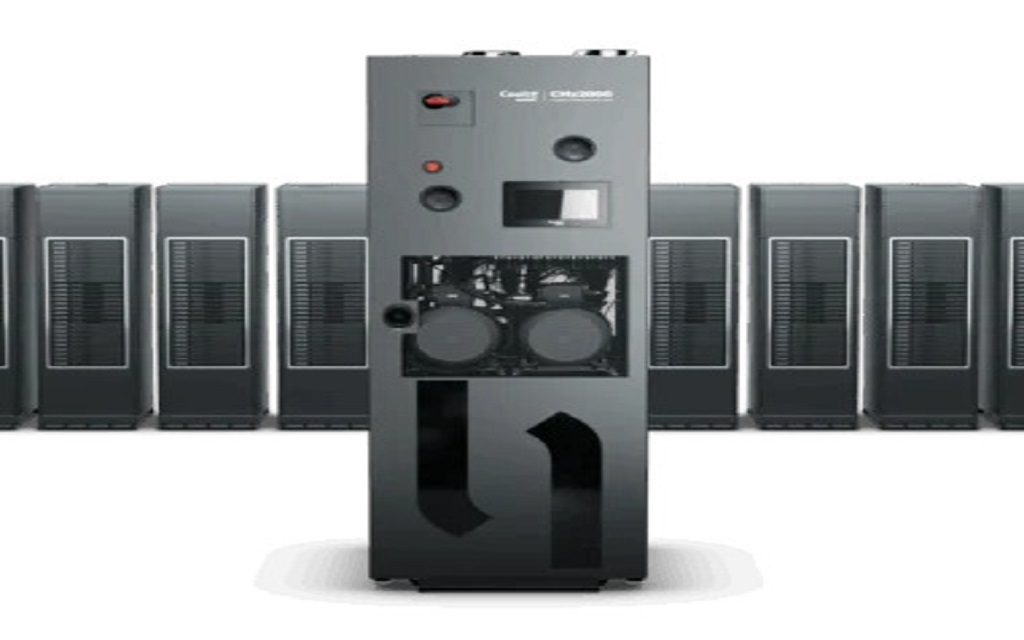
The growing demand for high-performance computing is changing how data centers approach thermal management. Coolant distribution units provide the control and efficiency needed to manage heat across increasingly dense and demanding infrastructure. By enabling precise coolant delivery and scalable system design, CDUs can help create a more reliable, energy-conscious cooling environment. As data center architectures advance, understanding CDU technology can help teams make smarter decisions for future-ready infrastructure.
Looking to explore advanced cooling solutions? Explore map directions to find the right location and discover innovative technologies for today’s high-density computing environments.
