
From anchoring in calm coves to securing cargo in choppy seas, reliable gear is non-negotiable for any boating adventure. Whether you’re a seasoned sailor or just getting your feet wet, the right boat ropes and shock cords are your first line of defense in staying safe and organized on the water.
Table of Contents
- Choosing the Right Boat Ropes
- Solid Braid Dacron Polyester Rope
- Dock and Mooring Lines: Holding Steady in All Conditions
- Double Braided Nylon Anchor Rope
- The Power of Bungee Cords on the Water
- Marine Grade Dacron Polyester Shock Cord
- Boating Tie-Down Straps: Essential for Transport and Storage
- Versatile Uses of Shock Cords in Marine Activities
- FAQs: Boat Ropes and Shock Cords
- Conclusion: Invest in Quality for a Safer Adventure
Choosing the Right Boat Ropes
What Makes a Good Marine Rope for Boats?
Choosing the perfect marine rope for boats involves more than picking something strong. It must also withstand constant exposure to saltwater, UV rays, and mechanical stress. Flexibility, resistance to abrasion, and longevity are vital factors when selecting a dependable rope for maritime use. Marine ropes are often engineered with synthetic fibers like nylon and polyester, offering the best blend of strength, stretch, and weather resilience.
Types of Boat Ropes for Different Conditions
Different boating activities require specific ropes. For instance:
- Anchor ropes should provide strength and stretch to absorb shock loads.
- Dock lines need flexibility and resistance to constant chafing.
- Halyard ropes, used for raising sails or flags, benefit from low stretch and high strength.
Solid Braid Dacron Polyester Rope
This solid braid dacron polyester rope is a high-performance halyard line ideal for sailboat rigging, flagpoles, and all-purpose outdoor tasks. Its rugged construction makes it equally suitable for camping, survival gear, and general utility use. Designed to endure the harshest environments, this rope delivers exceptional knot retention, stability, and long-lasting abrasion resistance.

Key Features:
- Solid braid construction offers enhanced tensile strength and durability
- Exceptional knot retention under high stress and movement
- Moisture-, UV-, and chemical-resistant for outdoor longevity
- Excellent choice for halyards, rigging systems, and general utility use
Dock and Mooring Lines: Holding Steady in All Conditions
Selecting Dock Lines for Maximum Durability
Your dock and mooring lines should provide elasticity to absorb wave motion while offering strong tensile strength. Nylon is the preferred choice due to its excellent stretch and durability, which helps protect your boat from sudden jerks or shocks. Double-braided nylon lines are especially popular for their balance of flexibility and abrasion resistance. To further extend their life, consider using chafe guards where lines rub against cleats, docks, or other surfaces.
Mooring Techniques That Improve Stability
To ensure long-term safety while docked, follow these practices:
- Use spring lines in addition to bow and stern lines for more stability.
- Avoid overtightening lines; a little give is necessary to accommodate water movement.
- Check for wear around cleats and replace lines at the first sign of fraying.
Double Braided Nylon Anchor Rope
A heavy-duty double-braided nylon anchor rope designed for large vessels, fishing boats, yachts, and recreational watercraft. Built to withstand the toughest marine environments, this rope offers superior shock absorption, long-term durability, and easy, secure fastening. The integrated stainless steel thimble enhances rigging efficiency while preserving the rope’s integrity.

Key Features:
- Double braided design ensures high strength and abrasion resistance
- Superior elasticity absorbs shock from waves and shifting loads
- Built-in 316 stainless steel thimble for easy and secure fastening
- Resistant to mold, moisture, UV rays, and prolonged marine exposure
The Power of Bungee Cords on the Water
Why Waterproof Bungee Cord Is a Boater’s Best Friend
Waterproof bungee cords are compact tools with powerful utility on the water. Whether you’re securing loose gear, bundling sail covers, or fastening coolers, they offer rapid deployment and strong hold, even in wet, slippery conditions. Their resilience in marine environments makes them a reliable choice for both emergency fixes and daily tasks. They’re also easy to store in tight spaces, making them perfect for small boats or kayaks.
Their ability to stretch and contract makes them particularly useful for managing shifting cargo or unpredictable weather. This dynamic tension helps reduce wear on your gear while keeping everything in place. Whether you’re dealing with sudden waves or gusty winds, bungee cords adapt quickly to changing forces.
Bungee Cords with Hooks vs. Stretch Cords with Hooks
While both offer great versatility, bungee cords with hooks provide quick attachment points to rails, loops, or eyelets. In contrast, stretch cords with hooks may offer more flexibility and customizability in tighter spaces or awkward angles. Bungee hooks are ideal for fast setups when time is limited, such as during docking or sudden weather changes. Stretch cords can be easily wrapped, looped, or doubled up, giving users greater control in securing irregular loads. Both types are valuable assets for any boater’s toolkit, offering dependable performance for different rigging scenarios. Choosing the right one depends on your boat’s configuration and the nature of your storage needs.
Marine Grade Dacron Polyester Shock Cord
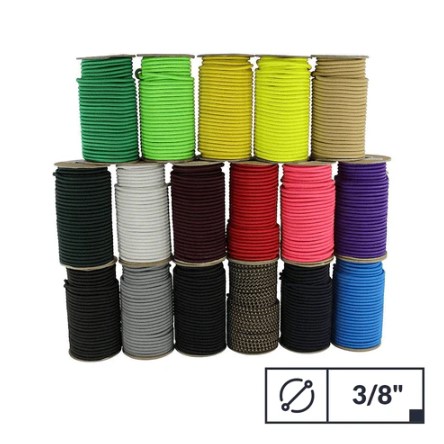
Engineered for long-term reliability, this marine-grade shock cord features a rugged dacron polyester sheath over a stretchable latex rubber core. With 100% stretch capability, it excels in demanding environments such as boating, trucking, or camping. Its resistance to UV rays, water, and abrasion makes it an essential tool for bundling, securing, or tensioning gear on and off the water.
Key Features:
- Durable Dacron polyester jacket with water and abrasion resistance
- Elastic latex core provides consistent 100% stretch
- Maintains performance in high UV and moist environments
- Versatile for marine, automotive, camping, and utility uses
Boating Tie-Down Straps: Essential for Transport and Storage
Secure Your Gear on Board
In rough waters, unsecured gear becomes a hazard. Boating tie-down straps are critical to hold everything in place, from tackle boxes to inflatable dinghies. Choose adjustable, weather-resistant straps that can handle your gear’s weight and movement. These straps also help protect delicate equipment from unnecessary jostling or impact damage. Look for straps with corrosion-resistant buckles or hooks to ensure longevity in saltwater conditions.
Tips for Using Boating Tie-Down Straps Safely
- Double-check the strap tension after loading
- Use multiple anchor points for added security
- Avoid overtightening to prevent damage to gear or boat surfaces
Versatile Uses of Shock Cords in Marine Activities
Managing Onboard Equipment with Ease
Shock cords are great for bundling hoses, organizing ropes, or temporarily attaching gear to rails. They’re lightweight, reusable, and don’t take up valuable space. Their elasticity allows for flexibility in securing odd-shaped or shifting items without needing precise measurements. They’re also ideal for quick access areas where gear needs to be fastened but frequently used.
Quick Fixes and Temporary Secures
Need a quick solution for a torn sail cover or a flapping tarp? Shock cords provide an immediate hold. Just loop and secure—no knots required. They’re especially handy during sudden weather changes when speed and efficiency matter. Having a few pre-cut lengths onboard can prepare you for a variety of unforeseen issues.

FAQs: Boat Ropes and Shock Cords
What’s the difference between dock lines and anchor ropes?
Dock lines are designed to absorb movement while your boat is tied up at the dock. Anchor ropes typically need to stretch more and handle heavier loads to secure a boat in open water.
Are bungee cords safe to use in marine environments?
Yes, but they should be marine-grade and waterproof. Lower-quality cords can degrade quickly in sun and salt.
How often should I replace marine ropes and cords?
Inspect your ropes and cords regularly. Replace them at the first signs of fraying, loss of elasticity, or UV damage.
Can I use one rope for all boating needs?
It’s best to use specialized ropes for each task. Mooring, anchoring, and sail handling all require different characteristics.
Conclusion: Invest in Quality for a Safer Adventure
Your time on the water should be about freedom and relaxation, not worrying about gear failure. Whether it’s choosing durable boat ropes, reliable dock and mooring lines, or flexible shock cords, investing in quality marine supplies ensures that your adventures stay safe and smooth. By selecting purpose-built products like the dacron rope, the double braided nylon anchor rope, and the marine grade stretch cord, you’re prepared for whatever the water throws your way. Because when it comes to boating, security starts with the right gear.
