
Choosing a roofer is an important decision. A properly installed, well-maintained roof protects your home’s structure, supports energy efficiency, and helps prevent moisture damage. In Winnipeg, the decision requires particular care because roofs must withstand heavy snow, prairie winds, hail, summer heat, and repeated freeze-thaw cycles. Before hiring a Winnipeg roofing company, homeowners should examine its credentials, warranties, safety practices, and knowledge of Manitoba homes. This guide explains how to evaluate those details and make an informed choice without relying on price or advertising claims alone.
Table of Contents
- Understand Winnipeg’s Roofing Conditions
- Start With a Detailed Roof Inspection
- Verify Credentials and Insurance
- Look for Relevant Local Experience
- Determine Whether Repair or Replacement Is Appropriate
- Compare Written Estimates Carefully
- Assess the Proposed Roofing System
- Review Materials and Manufacturer Requirements
- Understand Both Types of Warranty
- Evaluate Communication and Professional Conduct
- Check Reviews, References, and Completed Work
- Ask How the Property Will Be Protected
- Conclusion
Understand Winnipeg’s Roofing Conditions
Winnipeg’s continental climate places considerable stress on residential roofing systems. Temperatures can move from intense summer heat to extreme winter cold, causing roofing materials to expand and contract. Snow accumulation, melting snow, ice dams, high winds, and severe thunderstorms can expose weaknesses in shingles, flashing, ventilation, and drainage.
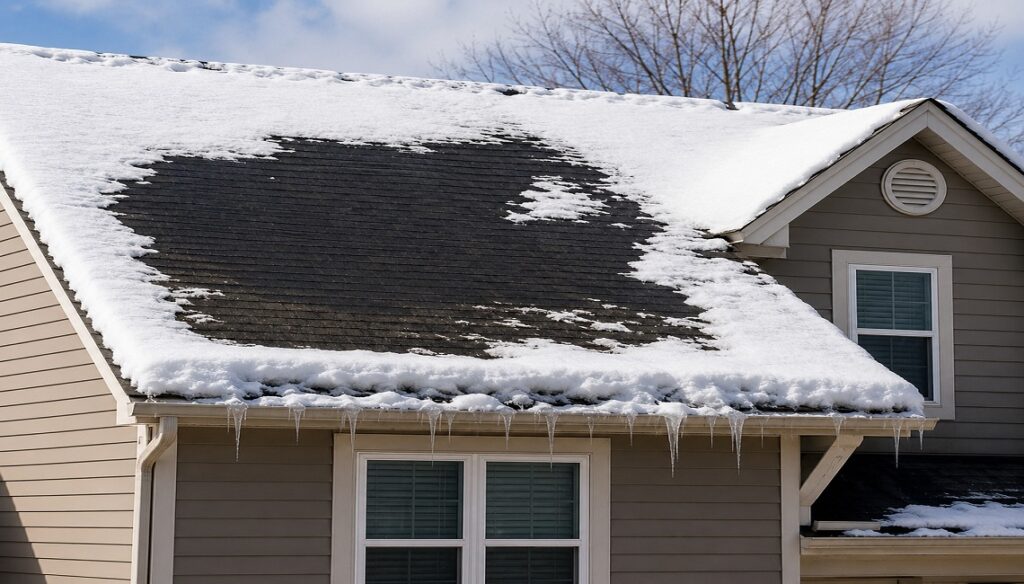
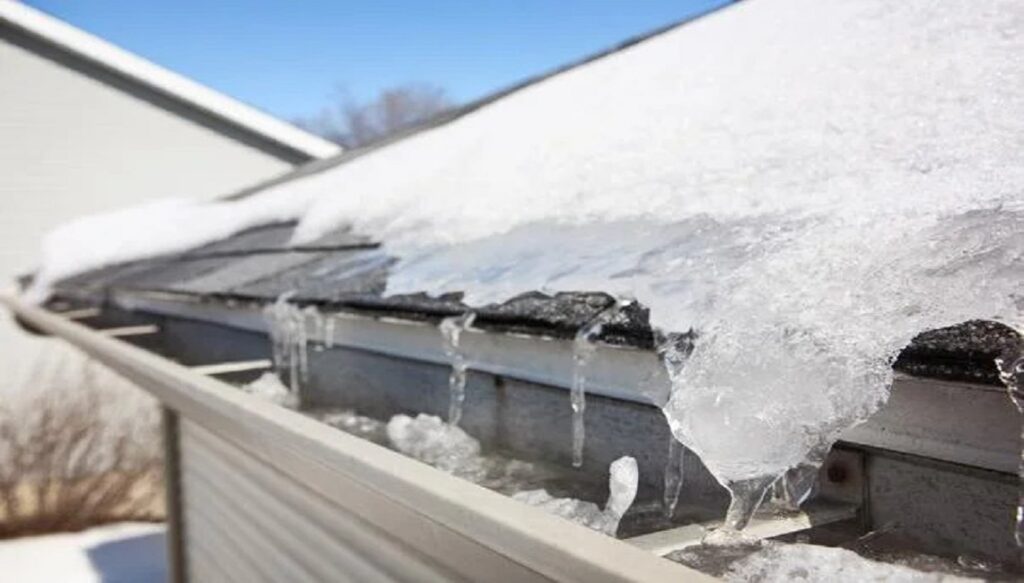
For example, ice along the eaves does not always indicate a shingle problem. Heat escaping into the attic may melt snow on the roof. The water then travels toward the colder eaves, where it refreezes and creates an ice dam. In such cases, attic insulation in Winnipeg and balanced ventilation may be part of the long-term solution.
Start With a Detailed Roof Inspection
A trustworthy assessment should take place before a contractor recommends major work. Be cautious if someone provides a final quotation without inspecting the roof or gathering enough information about the home.
A comprehensive inspection may include:
- Shingle condition, granule loss, curling, cracking, and exposed fasteners
- Roof valleys, penetrations, vents, flashing, and sealants
- Roof decking condition where it can be assessed
- Chimneys, skylights, and plumbing stacks
- Eavestrough performance and downspout placement
- Attic moisture, frost, mould, and ventilation
- Insulation depth and possible air-leakage areas
- Interior evidence of water entry
A qualified roofing contractor in Winnipeg should explain whether the problem is isolated, widespread, or connected to attic performance. The inspection should help establish whether maintenance, targeted repairs, or a complete replacement is appropriate.
Verify Credentials and Insurance
Homeowners should confirm that a contractor is operating legitimately and has suitable coverage before signing an agreement. Ask for current documentation rather than relying on a website badge or verbal assurance.
Check business and safety information
Request evidence of:
- Liability insurance
- Workers’ Compensation Board of Manitoba coverage
- Applicable business licensing
- Safety policies and worker training
- Manufacturer certifications, where claimed
- A permanent business address and working contact information
Insurance matters because roofing involves working at height, moving heavy materials, and protecting an occupied property. Advanced Level Roofing states that it is licensed, bonded, WCB-insured, and provides roofing and home-performance services in Winnipeg.
Look for Relevant Local Experience
General roofing experience helps, but experience with Winnipeg homes is especially valuable. Older properties in areas such as Wolseley, River Heights, St. Boniface, and North Kildonan can have different roof structures, insulation levels, ventilation layouts, and renovation histories.
A knowledgeable Winnipeg roofing company should provide clear, property-specific explanations. Vague statements or pressure to approve work immediately may indicate you need to compare options further.
Determine Whether Repair or Replacement Is Appropriate
Not every leak requires a new roof. Conversely, repeated patching may become expensive when the roof has extensive deterioration or systemic installation problems.
When a repair may be enough
Professional roof repair in Winnipeg may be appropriate when damage is confined to a small area, the remaining roof is serviceable, and the underlying decking is sound. Examples include a damaged vent, failed flashing, several wind-lifted shingles, or a minor penetration leak.
A ceiling stain, for example, may appear several metres away from the actual entry point because water can travel along framing or decking. Quality roof repair services in Winnipeg should address the source of the problem rather than cover visible symptoms.
When replacement may make more sense
The roof’s age is relevant, but it should not be the only deciding factor. For a planned roof replacement in Winnipeg, the proposal should explain the complete assembly, including removal, decking preparation, underlayment, ice-and-water protection, flashing, ventilation, shingles, cleanup, and waste disposal.
Compare Written Estimates Carefully
The lowest estimate is not necessarily the most affordable option over the life of the roof. A cheaper quote may exclude necessary components, use lower-grade materials, provide limited protection, or leave potential charges undefined.
When comparing estimates from more than one Winnipeg roofing company, place equivalent components side by side. If one quotation is significantly lower, ask what has been omitted or handled differently.
Assess the Proposed Roofing System
Shingles are visible, but they are only one part of the system. Long-term performance also depends on the roof deck, underlayment, flashing, ventilation, insulation, drainage, and installation quality.
A well-prepared contractor should explain:
Ice-and-water protection
Self-adhering membrane can help protect high-risk areas such as eaves, valleys, and roof penetrations. Ask where it will be installed and why those locations were selected.
Flashing
Flashing directs water away from chimneys, walls, valleys, skylights, and vents. Reusing deteriorated flashing to reduce the project price can increase the risk of future leaks.
Ventilation and insulation
Poor airflow or insufficient attic insulation in Winnipeg may contribute to heat loss, condensation, frost accumulation, mould, and ice dams. The contractor should assess the existing system before adding vents without a clear ventilation plan.
Drainage
Eavestroughs and downspouts should direct rain and melting snow away from the roof edge and foundation. Drainage problems can damage fascia, soffits, siding, and areas around the home.
Review Materials and Manufacturer Requirements
Ask why a particular material is being recommended for the home. The answer should address roof slope, exposure, ventilation, budget, expected service life, and local weather—not simply product popularity.
Homeowners should review:
- Wind and impact ratings
- Manufacturer installation instructions
- Warranty eligibility requirements
- Approved ventilation conditions
- Colour and heat-absorption considerations
- Maintenance expectations
- Availability of replacement materials
A roofing contractor in Winnipeg should also explain whether the installation method preserves the manufacturer’s warranty. Even a high-quality product can perform poorly if installed incorrectly.
Understand Both Types of Warranty
Roofing projects commonly involve two forms of protection:
- Manufacturer warranty: Generally applies to qualifying material defects, subject to stated conditions and exclusions.
- Workmanship warranty: Covers eligible problems caused by the contractor’s installation work for a specified period.
Ask for both documents before work begins. Review the duration, coverage, exclusions, registration requirements, claim process, and transfer conditions. Don’t assume terms like “lifetime” mean unlimited, full-value coverage for the life of the home.
Evaluate Communication and Professional Conduct
The way a company handles the estimate often indicates how it will handle the project. Professional communication should be clear, timely, and pressure-free. Be careful if a contractor demands a large cash payment, discourages questions, offers an unusually short-lived discount, or refuses to provide written details. A credible Winnipeg roofing company should give homeowners enough information and time to make a considered decision.
Check Reviews, References, and Completed Work
Online reviews can reveal patterns, but a star rating alone doesn’t provide the full picture. Read recent and older feedback, noting comments about communication, cleanup, scheduling, workmanship, and follow-up support.
Useful questions for previous customers include:
- Was the final price consistent with the agreement?
- Were unexpected changes explained and approved?
- Did the crew clean the site after the work?
- Did the crew protect landscaping and exterior surfaces?
- Were warranty concerns handled properly?
- Has the roof performed well through winter and spring thaw?
Where practical, examine photographs or nearby examples of completed work. Confirm that the projects actually belong to the contractor presenting them.
Ask How the Property Will Be Protected
Roofing work involves falling debris, nails, packaging, equipment, and vehicle movement. Before hiring a roofing contractor in Winnipeg, ask for a clear site-protection and cleanup plan.
The plan should address:
- Driveways and access areas
- Windows, siding, decks, and exterior fixtures
- Gardens and landscaping
- Material and waste-container placement
- Daily debris removal
- Magnetic nail collection
- Final inspection and cleanup
- Weather protection if the roof remains open
Homeowners should also move vehicles, patio items, and fragile wall-mounted objects before work begins when advised by the project manager.

Frequently Asked Questions
How many roofing estimates should a Winnipeg homeowner obtain?
Two or three detailed estimates usually provide enough information to compare scope, materials, warranties, and communication. Compare equivalent specifications rather than looking only at the total price.
What is the best season to replace a roof in Winnipeg?
Late spring through early fall commonly provides suitable conditions for planned roofing work. However, timing depends on temperature, precipitation, material requirements, contractor availability, and roof condition.
Can a roof leak be repaired during winter?
Some emergency or temporary work may be possible during winter, depending on weather, access, material limitations, and safety conditions. Permanent roof repairs in Winnipeg may need to wait until installation conditions return.
How do I know whether I need replacement or repair?
The decision depends on the extent of damage, roof age, decking condition, leak history, previous installation quality, and expected cost of continued repairs. Reputable roof repair services in Winnipeg should explain the evidence supporting the recommendation.
Does a new roof solve ice-dam problems?
Not necessarily. Ice dams often stem from air leakage, uneven roof temperatures, insufficient insulation, or poor attic ventilation. Replacing shingles without correcting those contributing conditions may allow the problem to return.
Conclusion
Choosing a roofer requires more than finding the lowest quotation. Homeowners should verify credentials, examine inspection quality, compare complete project scopes, understand warranty terms, and confirm that the proposed system addresses Winnipeg’s climate. A knowledgeable roofing contractor in Winnipeg should be able to explain the roof’s condition, present appropriate options, and document every key commitment. Advanced Level Roofing offers inspections and roofing solutions for Winnipeg properties, including replacement, repairs, ventilation, insulation, and ice-dam concerns.
Planning a roofing project in Winnipeg? View the Winnipeg service location on Google Maps and arrange a property assessment with Advanced Level Roofing.
